Back to Projects

Project

UTS Motorsports Autonomous Hardware

Autonomous vehicle hardware CAD for sensor and electronics mounting, packaging, fabrication templates, DXF preparation, service access, vibration exposure, and vehicle constraints.

UTS Motorsports Autonomous hardware record showing sensor and electronics packaging, CAD templates, DXF preparation, fabrication-aware mounting, serviceability, and vehicle integration constraints.
  • Autonomous Systems
  • Motorsports
  • CAD
  • Fabrication
  • Packaging
  • DFM
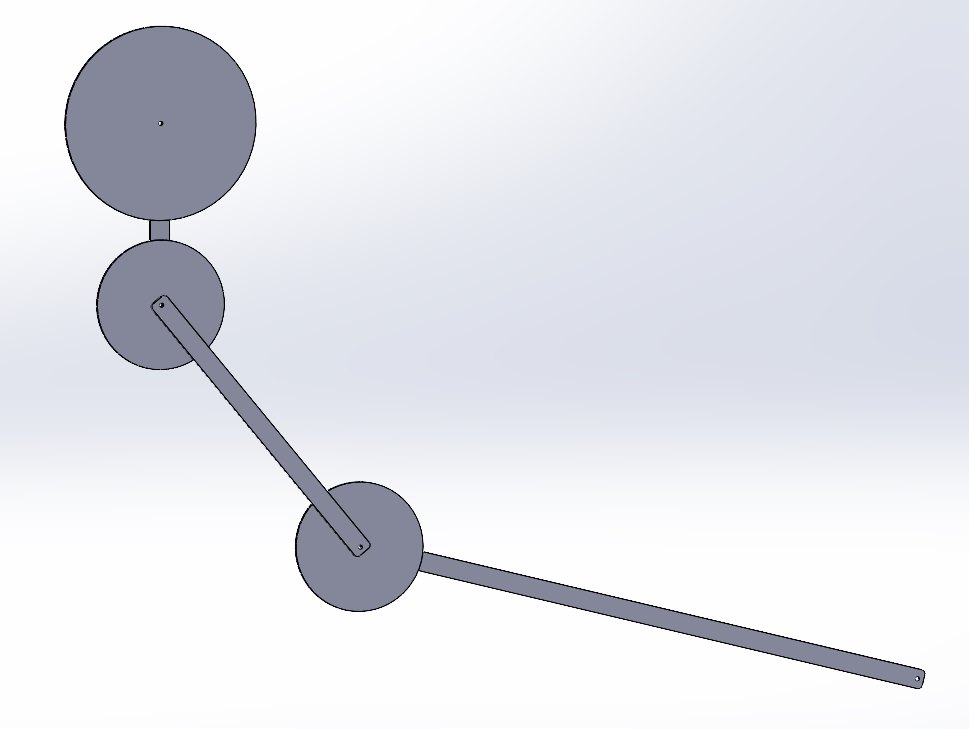
UTS Motorsports Autonomous Hardware visual 1
Project imageAutonomous hardware mounting and fabrication context
01

Overview

This project documents approved CAD and fabrication context for autonomous vehicle hardware components.

The page focuses on sensor and electronics packaging, mounting, service access, vibration exposure, and design records while keeping private team source files out of the site.

02

Problem

Autonomous vehicle hardware needs mounts and electronics packaging that fit the vehicle, survive vibration exposure, and remain serviceable.

The design work needed to connect CAD templates, DXF preparation, fabrication constraints, vehicle integration, and maintenance access without exposing private team material.

03

My Role

  • Prepared CAD and template work for sensor and electronics hardware
  • Translated design intent into fabrication-aware mounting, templates, and DXF-related workflow
  • Considered service access, vibration exposure, and packaging around the vehicle
  • Kept the page limited to approved visuals and mechanical integration context
04

Process

  1. Packaging review

    Sensor and electronics hardware were treated as vehicle-packaging problems with mounting, envelope, service access, and vibration exposure considered together.

  2. CAD templates and DXF workflow

    CAD templates and DXF-related preparation connected the design intent to fabrication decisions and made mounting geometry easier to review.

  3. Project documentation

    The page keeps the explanation focused on approved visuals, mechanical packaging, serviceability, and design records rather than team source files.

05

Key Decisions

Vehicle-constrained packaging

Sensor and electronics components had to fit around vehicle geometry, mounting locations, access paths, vibration exposure, and service needs.

Fabrication-aware CAD

Template and DXF work connected CAD decisions to fabrication, installation, and repeatable review constraints.

Service access

The hardware layout considered access for inspection, adjustment, wiring, and later maintenance.

06

Project Material

Selected project material used to show CAD, component, prototype, or documentation details.

UTS Motorsports Autonomous Hardware visual 1
Fig. 01Autonomous hardware mounting and fabrication context
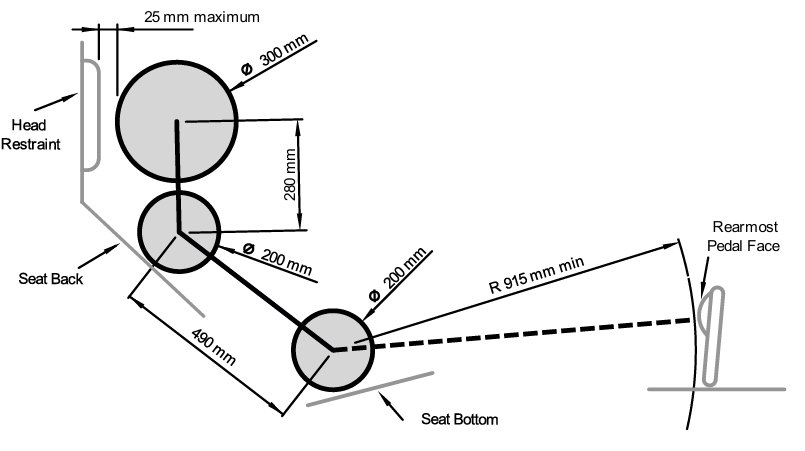
UTS Motorsports Autonomous Hardware visual 2
Fig. 02Sensor and electronics packaging context
07

Outcome

A hardware CAD case study showing template workflow, fabrication-aware packaging, and mechanical integration for autonomous vehicle hardware.

Supports robot hardware and mechanical design by showing packaging, manufacturability, serviceability, and design records under real vehicle constraints.

08

Next Steps

  • CAD is stronger when it visibly accounts for how hardware will be made, mounted, accessed, and maintained.
  • Approved project images can communicate system integration without exposing private team files.
  • Add more clean CAD renders or annotated packaging views if reviewed material becomes available.
  • Keep raw team files out of the public site unless ownership and privacy checks are complete.